What is Security Officer Training?
Security guard training is a way to teach people how to work as security guards. During this training, people learn many important things. For example, they learn about laws, what to do in emergencies, how to talk to people, and how to handle difficult situations. All these skills help security guards do their job well and safely.
The role of private security in reducing crime and vandalism cannot be overstated. Businesses, particularly those with high-value assets, rely on private security to protect their premises from intruders and other criminal elements. Not only does this ensure the safety of workers and customers, but it also has a ripple effect on the surrounding community by deterring criminal activity. Private security has become an essential component for businesses and commercial properties in the recent past. Ensuring public safety through private security has several economic benefits for local communities. The presence of professional guards provides a perceived level of safety, which helps to attract more customers to various business establishments in the area. When these companies earn more revenue, they are likely to expand their operations and hire additional staff, leading to job creation and increased economic growth.
There are 2 types of security
Armed security and Unarmed security .
At Da Marios Fashion and Technology Institute we teach only unarmed security.
What is An Unarmed Guard?
Unarmed means they possess a license to be a private security guard, but do not possess the additional authorization to carry a firearm in the line of duty. Even in states which permit open carry, guards are not allowed to bring personal firearms to work unless they possess certification as an armed guards and have been hired on an armed guard contract.
TYPES OF SECURITY OFFICERS TRAINING THAT ARE GIVEN At DAMARIOS FASHION & TECHNOLOGY INSTITUTE :
 Static security guards
- Mobile patrol guards
- Event security guards
- Professional gate house security guards
- Customer service guards
- Monitoring security officer
- Residence security
- Retail guards
- Private body guards
- VIP close protection security
There are many types of security officers that business owners and property managers can hire to meet their demanding security requirements, whether it is for enhancing security in business centers, residential areas, or high-risk industrial and construction sites.
Different Types Of Security Officers we teach :
As a business owner, prioritising the safety of your business premises, customers, staff and merchandise is paramount. To put it simply, the best way to do this is to have security guards at your business premises.
Here you will explore different types of security guards we teach and offer for the job market :
1. Static Security Guards
static guards are hired to protect a business and are usually stationed at entrances or exits of banks, retail stores, warehouses, offices and more. At Da Marios Security training center we train our static security guards to ensure your people feel safe and our securities are responsible for the protection, safety and well-being of your assets, staff and customers. Static security personnel are best suited in locations where constant surveillance of people or assets operating in a fixed area is required.
Our trained guards are highly trained to proactively look for suspicious behaviour and respond to threats as soon as possible. Despite their name, they are far from “stationary” and play an important role in monitoring your business to ensure it is secure and resolving any issues quickly. Moreover, the presence of a static security guard not only ensures your staff and customers peace of mind but can also provide a deterrent to criminals and thieves who would otherwise be more likely to target your business.
Businesses That May Benefit From Static Security Guards:
• Retail Stores
• Supermarkets
• Hospitals
• Construction Sites
• Office Buildings
• Banks
• Hotels
• Gyms
• Residential Communities
2. Mobile Patrol Guards
Unlike status security guards, mobile patrol guards secure premises and personnel by patrolling property and using the latest technology to safeguard your property and assets while delivering greater accountability and transparency. At Da Marios our comprehensive mobile patrols include internal and external business perimeter inspections, physical checks of doors, windows, gates, machinery and vehicles, theft sensitive areas as well as checking for intruders, graffiti or other damages.
Mobile patrol guards are the perfect type of security service if you own a warehouse or large office building that needs round-the-clock security on a large premises. Mobile security guards can patrol on foot, by bike, or by car, which means they can monitor multiple areas during and have a more accurate picture of the situation, so the risk of any potential threats slipping under the radar is reduced.
Businesses That May Benefit From Mobile Patrol Guards:
• Warehouses
• Large Office Buildings
• Construction Sites
• Hospitals
• Industrial Sites
• Schools
• Hotels
• Parking Lots
• Shopping Centres
3 . Events Security Guards
event security guards are hired to maintain access control of any type of event or large private gathering. These types of security guards are the first line of defence, receiving guests and ensuring that only invited guests can access the event or venue. They are also able to check IDs, maintain crowd control and intervene should there be any incidents or disturbances at your event.
Da marios Security’s events security guards protect guests and patrons with professional, friendly, and customer service driven crowd controllers who will protect your brand and reputation whilst maintaining a safe environment for patrons.
Our pool of highly experienced and customer-focused security guards have provided protection for hundreds of thousands of visitors, spectators, VIPs and attendees, balancing the needs of individuals, groups, event organisers and promoters and organisers.
Occasions That May Benefit From Events Security Guards:
• exhibitions
• Music Concerts
• Business Conferences
• Sporting Events
• Corporate Functions
• Movie or TV Filming
• Weddings & Personal Celebrations
4. Professional Gatehouse Security Guards
professional gatehouse security guards are hired to ensure only authorised visitors gain access to your business premises whilst securing your property.
our professional gatehouse security guards are in charge of duties including access control, patrolling grounds, inspecting vehicles, hazard and incident reporting, and providing customer assistance. We know the value and importance of having well presented and highly trained security staff operating in gatehouse, reception or concierge positions to create a powerful first impression. With this in mind, we work alongside you to ensure security staff act appropriately and uphold the high standards that we are known for.
Business That May Benefit From Gatehouse Security Guards:
• Warehouses
• Distributions Centres
• Airports
• Manufacturing Firms
• Storage Yards
• Apartment Complexes
• Ports
5. Customer Service Guard
A customer service guard has a stationary post at the front desk of a business. Because they create a first impression on customers, they must have good grooming and presentation and may or may not be in uniform . Part of their role is access control, much like a gatehouse guards but indoors, keeping track of who enters the premises and often taking down details. They will also perform general customer service duties, like welcoming customers and answering general questions.
6. Monitoring Security Officer
(remote video surveillance agent)
monitoring security officer is A type of static guard who works on camera feeds or alarm systems for signs of irregularities like trespassing or theft. These guards generally work in a control room or monitoring centre.
7. Residential Security Guard
A residential security guard monitors the safety of private homes, usually either apartment buildings or gated communities. They may control access to the building or community, sometimes outdoors as gatehouse guards
8. Retail Guard
Retail guards are business guards tasked with preventing theft in retail environments.
They do this by:
• Greeting customers entering the store
• Checking bags of customers exiting the store
• Monitoring security cameras
• Patrolling the premises
• Investigating suspicious activity, including suspected theft
• Dealing with law enforcement when theft happens
9. Private Body guard
Private body guards are guards who protects individuals and groups from potential threats to their safety at events, when travelling and during everyday activity .
10 ) Vip close Protection security
The primary role of modern VIP security personnel remains the physical protection of their clients from harm. This encompasses various responsibilities, from conducting security sweeps of locations before the VIP’s arrival to coordinating with local law enforcement and security services. Security personnel must be adept at crowd control and understand how to discreetly and effectively navigate potentially dangerous situations.
Choosing the right security guard training program is very important for anyone who wants to start or advance in this career. There are many options available, so it’s important to think about several things to make sure you get good training.
Look for accredited institutions when searching for security guard training. These schools or programs have been checked by recognized organizations and meet certain standards. Accreditation helps ensure that the program covers all necessary topics and meets industry requirements. When choosing a program, look for accreditation from well-known security industry associations or state regulatory bodies.
In this course you’ll learn how to:
 Apply effective communication skills to maintain security
- Apply legal and procedural requirements to work effectively within a security team
- Apply WHS, emergency response and evacuation procedures to maintain security
- Apply risk assessment to select and carry out response to security risk situations
- Provide quality services to a range of security clients
- Protect self and others using basic defensive techniques
- Patrol premises to monitor property and maintain security
- Screen people, personal effects and items to maintain security
- Monitor and control access and exit of persons and vehicles from premises
- Monitor and control individual and crowd behaviour to maintain security
- Apply security procedures to manage intoxicated persons
- Apply security procedures to remove persons from premises
- Escort and protect persons and valuables
- Provide first aid
Main Parts of Security Guard Training
I. Communication and Report Writing
Good communication and writing skills are very important for security guards. That’s why these skills are a big part of security guard training. Good communication helps guards prevent problems, handle tough situations, and work with people.
In training, guards learn how to talk clearly and professionally in different situations. This includes things like giving directions to visitors or calming down angry people. They learn how to use their voice and body language to show authority without being aggressive. They also practice listening carefully, which is important for responding to different situations.
Writing reports is another important skill guards learn. They need to write clear, accurate reports about what happens during their shifts. In training, they learn how to describe events in detail, use the right words, and organize information in a logical way. This skill is important because these reports might be used in court or to help make security better.
During training, guards often practice these skills. They might act out different situations or write reports based on made-up events. This hands-on practice helps guards feel more confident in their abilities.
Good communication skills also help guards work well as part of a team. In training, they learn how to talk with their bosses, other guards, and emergency services. They learn how to use radios and other devices to communicate, and how to share important information quickly and clearly.
These days, guards also learn about digital communication. They learn how to use security software to record events and write reports. They also learn about keeping electronic communications professional and secure.
Surveillance and Patrol Techniques
Security guard training spends a lot of time teaching about surveillance and patrol techniques. These skills are very important for guards to watch and protect the areas they’re responsible for.
In training, guards learn different ways to do surveillance. This includes how to use security cameras and monitors, as well as how to watch an area in person. The training teaches guards how to spot suspicious behavior and what to look for when scanning a crowd or an empty space. Guards also learn how to keep track of many areas at once, which is important in busy places.
Guards also learn about patrol techniques. They learn how to plan and carry out effective patrols, whether they’re walking or in a vehicle. The training covers things like changing patrol routes and times to be less predictable. It also includes how to thoroughly check different types of areas. Guards also learn how to safely approach and investigate anything unusual they find during their patrols.
Training also teaches guards how to write down what they see during surveillance and patrols. This includes how to keep detailed logs and how to describe observations accurately. Guards learn the importance of being thorough in their notes. These records can be important for investigations or improving security measures.
Another important part of surveillance and patrol covered in training is how to use equipment effectively. This might include learning to use flashlights, radios, or other tools guards use on the job. The training also covers how to take care of this equipment to make sure it’s always ready when needed.
Training emphasizes the importance of staying alert during surveillance and patrols. Guards learn techniques to stay focused during long shifts and how to recognize signs of tiredness in themselves and others. They also learn how to respond quickly and appropriately to any situations they encounter.
Conflict Resolution and De-escalation
Conflict resolution and de-escalation are very important skills covered in security guard training. These techniques help guards handle tense situations safely and professionally. The techniques often preventing situations from becoming bigger problems.
In training, guards learn how to recognize early signs of conflict.
This includes noticing changes in body language, tone of voice, or behavior that might show a person is upset or agitated. By spotting these signs early, guards can often address issues before they get worse.
A key part of training in conflict resolution is learning how to stay calm under pressure. Guards practice techniques to manage their own emotions and reactions. Staying calm is essential for dealing with heated situations. They learn that their own calm behavior can often help calm others down too.
De-escalation techniques are a big focus in training. Guards learn how to use their words and actions to reduce tension and prevent conflicts from getting worse. This includes using a calm, voice, showing understanding, and avoiding confrontations.
Training also covers active listening skills, which are vital for resolving conflicts. Guards learn how to really hear what someone is saying, not just their words but the emotions behind them. This helps guards understand the root of the problem and find better solutions.
Another important aspect of conflict resolution in training is learning when and how to call for help. Guards learn to recognize situations that are too difficult to handle alone and how to get help safely.
Role-playing exercises are often used in training to practice these skills. Guards might act out different scenarios, like dealing with an angry customer or breaking up an argument. This hands-on practice helps guards feel more confident in their ability to handle real-life conflicts.
Training also teaches guards about cultural sensitivity and how different backgrounds can affect how people react in conflicts. This knowledge helps guards approach situations with understanding and respect, which can go a long way in resolving issues peacefully.
II. Radio Procedures
Security guard training puts a lot of emphasis on how to use radios properly for communication. Radios are very important tools for guards, allowing them to stay connected with their team and respond quickly to situations.
In training, guards learn how to use different types of radios that are commonly used in security work. They practice turning the radio on and off, adjusting the volume, and changing channels. Training also covers how to take care of radios to make sure they’re always working properly.
A key part of radio communication taught in training is proper radio etiquette. Guards learn how to speak clearly and concisely over the radio, using standard phrases and codes. They’re taught to keep messages short and to the point, which is crucial during emergencies when clear communication can make a big difference.
Training also covers the importance of radio discipline. Guards learn when to use the radio and when other forms of communication might be better. They’re taught to avoid unnecessary chatter that could tie up the radio frequency when others might need to use it for important messages.
Another important aspect of radio use covered in training is privacy and security. Guards learn about the possibility of radio communications being intercepted and how to protect sensitive information. This might include using code words or switching to more secure forms of communication when discussing confidential matters.
Training often includes practical exercises where guards practice using radios in different scenarios. They might role-play various situations, from routine check-ins to reporting emergencies. This hands-on practice helps guards become comfortable with radio use and prepares them for real-world situations.
Guards also learn about the legal aspects of radio use during their training. This includes understanding FCC regulations and any local laws that might apply to radio communications in their area.
III. Emergency Procedures and First Aid
Emergency procedures and first aid are crucial parts of security guard training. Guards need to be prepared to handle many different types of emergencies, from medical situations to security threats.
In training, guards learn how to quickly assess emergency situations and respond appropriately.
They’re taught to stay calm under pressure and to follow established protocols. This part of training covers various types of emergencies, including fires, natural disasters, medical emergencies, and security breaches.
First aid is a key focus in training. Guards learn basic life-saving techniques .Training also covers how to handle common injuries like cuts, burns, and sprains. Guards practice these skills so they can act confidently in real emergencies.
Training emphasizes the importance of knowing when and how to call for professional help. Guards learn how to communicate effectively with emergency services, providing clear information about the situation and location. They’re also taught how to secure the area and manage bystanders until help arrives.
Another important aspect of emergency procedures covered in training is evacuation protocols. Guards learn how to safely guide people out of buildings during emergencies like fires or earthquakes. They’re taught to know all exit routes and to help those who might need extra assistance.
Training also covers how to recognize and respond to potential security threats, such as suspicious packages or unauthorized individuals. Guards learn how to alert the appropriate authorities and take necessary precautions to protect themselves and others.
Documentation is another crucial skill taught in this part of training. Guards learn how to accurately record the details of any emergency situations they handle. This information can be important for investigations and for improving future emergency responses.
IV. Industry-Specific Training
Industry-specific security guard training is an important part of preparing guards for specialized work environments. While basic training covers general skills, many industries require guards to have additional knowledge and abilities.
In the retail sector, training focuses on loss prevention techniques and customer service skills. Guards learn how to spot potential shoplifters, handle theft situations, and interact professionally with customers. This specialized training helps guards balance their security duties with the need to maintain a welcoming store environment.
For corporate settings, guards learn about access control systems. They learn how to manage who can enter a building, check people coming in, and watch for any potential threats.
Event security is another area that requires specialized training. Guards working at concerts, sports events, or other large gatherings learn crowd control techniques, how to spot potential troublemakers, and how to coordinate with event staff. This training helps ensure events run smoothly and safely.
In healthcare facilities, training covers topics like patient rights, dealing with distressed individuals, and understanding medical emergencies. Guards learn how to maintain a safe environment while being sensitive to the needs of patients and medical staff. This specialized training is crucial in handling the unique challenges of healthcare settings.
Educational institutions also require specific training. Guards working in schools or universities learn about issues like bullying prevention, emergency response in an educational setting, and how to interact appropriately with students of different ages. This training helps create a safe learning environment.
Some training programs offer courses in specialized areas like executive protection or airport security. These intensive programs cover advanced topics and often require guards to have significant experience before enrolling.
V. On-the-Job Training and Mentorship
Learning about security in a classroom is good, but doing the job is even better. When you work as a security guard, you learn things you can’t learn from books. You see how to deal with real situations and people. This hands-on experience helps you become a better security guard. It teaches you how to use what you learned in training in real life. Practical experience also helps you feel more confident in your job.
When you’re new, you’ll often work with guards who have been doing the job for a long time. This is called shadowing. You watch what they do and learn from them. Experienced guards can show you how to handle different situations. They know little tricks that make the job easier. Shadowing helps you learn the daily tasks of a security guard. It also lets you ask questions and get advice from someone who knows the job well.
As you work, your supervisors will watch how you do your job. This is called performance evaluation. They’ll look at things like how well you follow rules, how you treat people, and how you handle problems. They might give you feedback, telling you what you’re doing well and what you need to improve. This helps you become a better security guard over time. Regular evaluations also help supervisors see if you’re ready for more responsibilities or a promotion.
VI. Physical Fitness and Self-Defense
While physical fitness is not a required part of the course, being in shape can really help guards do their job better. Security can be a physical job, so it’s important to be fit.
Most security companies want guards who can stand or walk for long periods. Guards should also be able to run short distances if needed. Some jobs might need guards to lift heavy things or climb stairs. Being fit helps guards stay alert and ready to act if something happens.
Security guards also learn how to protect themselves and others. They practice moves to block attacks and get away from danger. Guards also learn how to hold someone who is causing trouble. These skills help guards stay safe and control difficult situations without hurting anyone.
Guards learn about the “use of force continuum.” This is a guide that shows how much force to use in different situations. It starts with talking to someone and can go up to using weapons, but only if necessary. Guards learn to use the least amount of force possible to keep everyone safe. They learn to talk first and try to calm people down before doing anything physical.
What security guards can’t do ?
 Security guards cannot formally arrest someone. A security guard’s authority is typically limited to the property they are assigned to protect. There is no legal right to pursue or apprehend suspects off-site Security guards are not law enforcement officers. Their use of force must be strictly reasonable and necessary to prevent a crime in progress.
Security guards are on the front lines protecting us and our property in various settings including commercial properties, residential areas, events, and public spaces.
To excel in this critical role, security guards must possess a diverse range of skills that enable them to handle various situations with poise and professionalism.
They are sometimes overlooked by the untrained eye, yet they are critical in ensuring the safety of staff, visitors, and consumers.
SECURITY OFFICERS TOOLS & EQUIPMENT LIST
1 ) UNIFORM & CLOTHING
Uniform and clothing are the most visible aspects of a security guard’s equipment. Uniforms usually include high-visibility clothing, which ensures that guards are easily identifiable. This not only helps in deterring potential criminals but also makes it easier for people to approach guards when they need help.
If a person is in any trouble, the first person they will look for is a security guard. If they can easily identify the guard, they will feel safe and approach them quickly.
A ) High-Visibility Clothing: Ensures guards are easily seen
B ) Durable Boots: Essential for comfort during long hours on their feet.
C ) Bulletproof Vests:
Provides protection in high-risk situations.


2 ) COMMUNICATION DEVICES
Effective communication is crucial in security operations. Security guards typically use two-way radios or mobile phones to stay in contact with their team.
Earpieces allow for discreet communication. Which is particularly useful in noisy environments or during covert operations. These communication devices allow the guards to be connected with one another at all times. In case they need any backup, they can easily call for it and avoid any major damages.
A ) Two-Way Radios:
For quick and reliable communication with the team.
B ) Mobile Phones:
Used for emergencies and additional communication.
C ) Earpieces:
Allow discreet and hands-free communication.



3 ) FLASHLIGHT
A flashlight is perhaps one of the most critical pieces of equipment that a security guard will have on his or her belt. A flashlight can be used to protect against an intruder or other criminal . A Security guards flashlight should be powerful and resistant to being dropped. Flashlights are important for guards operating at all hours of the day and night. In dark rooms or darkened locations, guards on day shifts can utilise a flashlight.
A ) Heavy-Duty Flashlights:
Useful for both illumination and defense.
B ) Long Battery Life:
Ensures reliability during long shifts.
C ) High Brightness:
For effective use in dark environments


4 ) DEFENSIVE EQUIPMENT
A ) Pepper Spray:
Non-lethal deterrent for aggressive individuals.

B ) Batons:
Effective for subduing suspects.

C ) Handcuffs:
Used to restrain individuals until law enforcement arrives.

5) SURVEILLANCE EQUIPMENT
For monitoring large areas, security guards use various surveillance tools such as binoculars, digital cameras, and CCTV systems. These tools help in keeping an eye on suspicious activities and recording evidence if needed. Security guard companies provide their guards with such equipment. With these, even the clients will feel as they will feel they have better protection.
A ) Binoculars:
Useful for long-distance surveillance.

B ) Digital Cameras:
Capture high-quality images for evidence.

C ) CCTV Systems: Provide continuous monitoring and recording.

6 ) PERSONAL PROTECTIVE EQUIPMENT (PPE)
Depending on their duties, guards may need to use personal protective equipment (PPE) like bulletproof vests, gloves, and masks to protect against physical harm or hazardous materials. Security guards can only provide top-notch security if they are feeling safe themselves. When they are free of mind, they can focus on the tasks at hand and help out if needed.
A ) Bullet proof vests
Whether or not a security guard carries a gun, he or she may require a bulletproof . A bullet-proof vest is an essential piece of security guard equipment for anyone working in the security and military professions since it helps absorb the force of bullets and shrapnel.
Anyone who might come under fire should have one. They help to protect important organs from gunshots and shrapnel damage. A bulletproof vest, as a result, can mean the difference between life and death.
It is essential for protection in high-risk areas.

B ) Heated vest
Many security guards work in colder climates where it can be uncomfortable to work and function properly.
Even if you live in a warmer climate, you may need to work at night at times where the temperature can drop drastically and make you very cold. A heated vest can take care of this for you and keep you comfortable and focused even on the coldest of nights.

C ) Gloves & masks :
Protect against harmful substances.


D ) Helmets :
For additional head protection in dangerous situations.

7 ) FIRST AID 
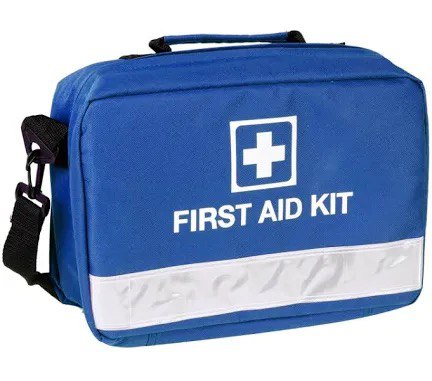
Having a mini first aid kit is essential for dealing with minor injuries on the spot. Guards trained in first aid can provide immediate assistance until professional medical help arrives. This can be crucial in emergencies where every second counts.
First aid kits come under the must have equipment for security guards because they might need to provide assistance at any time. The job of a security guard is not only to just provide protection to the clients, but to help those in need as well. Companies need to equip the guards with proper training so that they can provide basic first aid
Basic Medical Supplies: Bandages, antiseptic wipes, etc.
Training in First Aid: Ensures guards can provide initial care.
8 ) UTILTY BELT
A utility belt helps guards carry and organize their equipment, such as keys, flashlights, batons, radios, and other essential tools, making them easily accessible when needed.
This ensures that guards can respond quickly to any situation. A hands-free guard can react and provide assistance quickly. These utility belts ensure that the guard has all the necessary equipment with him every time.

9 ) ORGANIZED STORAGE
Organized storage Keeps tools easily accessible.
Even Weight Distribution: Reduces fatigue during long shifts.

10 ) REPORTING TOOLS
Guards often need to document incidents and observations.
A ) Notepads and pens
This are basic essential tools for keeping detailed records, which can be crucial for reporting and legal purposes. In the digital age, many guards also use tablets or smartphones to take notes and file reports electronically. This helps the guards maintain a record of all of the activities that has happened throughout the day.


B ) Body Cameras
Body cameras are increasingly used to record interactions and incidents, providing valuable evidence in case of disputes or investigations. This helps in maintaining transparency and accountability in security operations. Body cameras are a must have equipment for security guards as this will help them maintain proof in case any incident has happened.

C ) Alarm Systems
Personal alarms or whistles are used to signal for help in emergencies or to deter potential threats by drawing attention to the situation. These small but effective tools can make a significant difference in ensuring the safety of the guard and those around them.

Whistles:
Effective for drawing attention in emergencies.

Panic Button:
Send an instant alert in case of any emergency.
By using these essential tools, security guards can perform their duties more effectively and ensure the safety of the premises and the people they are protecting.
Da Marios Security ensures that our security guards are well-equipped and trained to use these tools. This is done to make sure that they handle various situations professionally.
What is a security officer uniform?
A security guard uniform is a visual representation of a guard’s role and responsibilities.
It communicates a guard’s purpose and presence. It generally includes a combination of shirts, pants, outerwear, and accessories. These elements create a distinctive and recognizable look.
The appearance of a security officer uniform is important for two reasons:
• Building trust:
A neat, well-maintained uniform inspires confidence and trust. It suggests the security guard is reliable and responsible. People are more likely to approach a security guard for assistance if they appear professional.
• Ensuring easy identification:
A distinctive uniform allows for quick and easy identification of security personnel. This is crucial in emergencies or when immediate assistance is required.
Essential elements of a security guard uniform
A well-designed security guard uniform is a carefully curated ensemble of components that work together to project professionalism, functionality, and authority. Plus, a guard should have everything he or she needs to do their job.
• Shirt and pants: Security guards are often on their feet for long hours, so durable and comfortable fabrics are a must. Shirts and pants should allow for ease of movement. Matching colors create a unified and professional look, and many companies opt for brand-specific options to reinforce their identity.
• Badge and Identification: A clearly visible badge and name tag are non-negotiable. This allows for immediate identification and adds a layer of accountability. A company ID card further enhances security and helps verify the guard’s authority.
• Regular cleaning is key
A clean uniform instantly conveys professionalism and attention to detail. Establish a clear cleaning schedule for shirts, pants, and outerwear, whether it’s weekly washing or professional dry cleaning.
Don’t forget about those often-overlooked items like hats and belts. Regular cleaning keeps the uniform looking its best and helps to prolong its lifespan.
• Stay ahead of wear and tear
guards must routinely check their uniforms for any signs of wear and tear. Loose buttons, frayed seams, or scuffed shoes should be addressed promptly. Replacing or repairing items as needed ensures the uniform always looks its best and maintains a professional image.
Types of Formal Security Uniforms
- Concierge-Style Uniforms
• Includes dress shirts, blazers, and ties for a refined look.
• Ideal for environments where security also plays a customer service role, such as hotels or luxury retail. - Corporate Security Suits
• Dark blue or black suits paired with formal accessories.
• Common in office buildings and corporate events to convey authority while blending seamlessly into professional settings. - Government Facility Uniforms
• Combines formal attire with high-visibility elements for added security and identification.
• Ensures a professional yet approachable presence in public institutions.
security uniform design
Trends include lightweight, breathable fabrics, modular designs for flexibility, and eco-friendly materials for sustainability.
Tactical security uniform
For high-risk environments where enhanced functionality, protection, and mobility are essential. Security uniforms focus on practicality, incorporating durable materials and advanced features to ensure security personnel can perform their duties effectively. They are widely used in law enforcement, security, and industry. In some cases, these uniforms also include
A safety vest for added visibility and compliance with safety standards.
Key Features of Tactical Security Guard Uniforms:
1• Enhanced Durability
Made from tough, high-quality fabric, tactical uniforms withstand demanding environments. Their durability ensures they stay intact, even in harsh conditions. This provides reliable performance for customers in the petrochemical, manufacturing, and security sectors.
2. Utility and Functionality
Tactical uniforms feature multiple, strategically placed pockets for essential tools like radios and flashlights. This hands-free access enables quick responses during patrols and guard duties. Boosting wearer efficiency.
3 • Safety and Security
Designed to meet high-security needs, the security apparel uniforms create a professional, unified appearance, reinforcing a strong security presence. Clients in high-stakes settings convey authority and readiness, adding peace of mind.
4 • Versatile Applications
Tactical uniforms adapt to various environments. From manufacturing plants to the energy sector, making them a versatile choice. Offering this product broadens your appeal across industries that prioritize safety and preparedness.
Event Security Uniforms
When it comes to concerts, sports events, or festivals, security needs a different approach. Event security uniforms strike a balance between authority and approachability.
Typical event security uniforms might include:
• Brightly colored t-shirts or polo shirts for high visibility
• The word “SECURITY” is prominently displayed
• Comfortable pants or shorts, depending on the venue and weather
• Sturdy shoes for long hours on their feet
The goal here is to make security guards easy to spot in a crowd. If someone needs help or there’s a problem, attendees should be able to quickly locate a guard.
These uniforms are designed for comfort and mobility. Guards at events often need to move through crowds, so their attire needs to allow for easy movement. The materials are usually lightweight and breathable, perfect for outdoor events or crowded indoor venues
Factors to Consider in Uniform Selection
When it comes to choosing security guard uniforms, there’s a lot to think about.
1• Environment:
Where will your guards be working? A mall has different needs than a construction site.
2• Climate: Will your guards be mostly indoors or outdoors? Hot climates call for breathable fabrics, while cold areas need warm, layered options.
3 • Job responsibilities: What tasks will your guards be performing? If they need to run or climb, flexibility is key.
4. Company image: Your uniforms should align with your brand. A high-end hotel might want a more refined look, while a nightclub might opt for something edgier.
5. Legal requirements: Some areas have regulations about security uniforms. Make sure you’re compliant.
6. Budget: Quality uniforms are an investment, but they don’t have to break the bank.
7. Durability: Guards work hard. Their uniforms should be able to keep up.
8. Comfort: Happy guards are effective guards. Comfortable uniforms can boost morale and performance.
CONCLUSION :
Security officer services play a vital role in maintaining the safety and security of various settings. The effectiveness of these services heavily relies on the equipment that security guards use. The companies become a top choice for the clients when they see the security guards are trained.
We at Da Mario’s Fashion and Technology Institute prioritize providing our securities with the necessary equipment and training. This not only ensures the safety of the guards but also enhances the overall security of the environment they are protecting.
In summary, the right equipment can make a significant difference in the effectiveness of security guard services. By equipping guards with the tools listed above, our companies can ensure that our guards are prepared to handle any situation. Maintaining safety and order in all the environments they serve.