
Fashion designing is one of the most glamorous, lucrative and exciting career fields. If you think you have a zeal for creatively styling clothes, then a career in fashion designing is the right one for you. Fashion designing is the art of designing clothing and accessories. Whether you’re just starting your journey or looking to enhance your existing knowledge, these courses offer comprehensive training that transforms creative minds into professional fashion designers.
COURSE
Introduction to Fashion Design is a short course designed for creatives who are interested in exploring the world of fashion design. The course provides an excellent opportunity to gain insight into the theory and practice of fashion design, including design, illustration of and aesthetics.
The course aims to introduce students to fashion design and the role of a fashion designer in the industry, providing them with the knowledge and skills needed to understand fashion design practices, illustration and aesthetics.
Throughout the course, students will be exposed to a range of fundamental concepts and skills, including insights into fashion design practices and techniques, defining the human figure in fashion illustration, approaching the practice of sketching and mood boarding, and exploring a personal drawing style.
Through a combination of theoretical learning and practical exercises, students will gain a comprehensive understanding of the fashion design system, including its cultural and practical processes. By the end of the course, students will have gained valuable knowledge and skills that will help them on their journey toward a future in fashion design.
The main lecturers in this course are industry professionals who have years of experience in the field. They can help students narrow down their career focus and provide them first-hand insight into studying at Da Mario’s Fashion and Technology institute.
The curriculum of the Introduction to Fashion Design short course includes a range of subjects that will help students develop their skills and knowledge in the field. Some of the key topics covered include:
1 ) Fashion design:
an introduction to fashion design practice, including the design process, pattern making and garment construction
2 ) Fashion illustration:
the visual representation of fashion designs through drawing and painting, including techniques for illustrating garments and accessories and using illustration for visual communication in the fashion industry
3 ) Aesthetics:
an understanding of the theoretical and iconographic approaches to fashion culture, including principles of beauty and artistic taste, color theory, composition and design that are essential to understanding fashion aesthetics. the end of the course, students will have created a portfolio that reflects their own personal style.
What is a fashion designer?
A fashion designer is a creative professional who designs clothing using knowledge of industry trends, clothing materials, sewing techniques and clothing construction. They can either work for large clothing companies or smaller independent design labels. They typically have training in sewing and the different stages of clothing production. Designers may design individual pieces, but they can also design collections of products that share common themes and design elements. Fashion designers may work for companies that produce large quantities of merchandise and sell them at cheaper prices, or companies that specialise in luxury goods or haute couture, sold in small quantities at a higher price.
With how rapidly the fashion industry keeps growing and evolving into a powerful creative space with inspiring talents taking the industry by storm, many people wonder how to get into the industry and contemplate if gaining a fashion education is essential
Studying at an institution with an established background in the fashion and design industry will allow you to develop your skills and learn from professors and other people who have many years of hands-on experience and insights
Da Mario’s fashion and Technology Institute Located in Addis Abeba – Ethiopia offers a blend of technology and design that focuses on technical skill development, emphasizing material sciences and textile innovation. It combines art and design with a comprehensive fashion curriculum, focusing on both creativity and technical skill-building for a career in fashion design. The school offers a strong fashion design program that includes study-abroad options in Italy, fostering a global perspective in fashion. It also provides a sustainable approach to fashion education, focusing on ethical production and environmental responsibility.
Our Core Classes in Fashion Programs are :
Pattern Making/Construction:
In these courses, you’ll learn how to create patterns and construct garments. Specifically, this is where you get hands-on with fabrics and sewing machines.
Fashion Illustration/Drawing:
Here is where you’ll develop your skills in sketching and illustrating and learn how to put your creative ideas on paper.
History of Art and Fashion:
These courses will help you discover the evolution of fashion through the ages. Indeed, you’ll study iconic designers and major fashion movements.
Textile Science:
Courses on textile science are all about diving deep into the world of fabrics. Therefore, you can expect to learn about different textiles and their uses in fashion.
fashion design isn’t just about clothes—it’s a blend of art, science, and business that shapes well-rounded, confident, and skilled students ready to face the future. Whether they pursue fashion or not, these students gain insights and tangible skills that last a lifetime. Fashion gives students an opportunity to explore their creative side and determine if they want to pursue fashion as a career or to simply use sewing as something that brings them joy by creating things for themselves or others. Many companies and small businesses are looking to hire people who can sew and they have a hard time finding employees who have that skill set. This class helps students to be equipped with skills for success after high school even if they don’t pursue a career in fashion.
In the fashion department we will Bridge the Gap Between Theory and Practice by
• Offering holistic academic programmes underpinned by pioneering research and industry partnerships.
• Educating and engaging our students who are dedicated to becoming global citizens and professionals in the fashion and textile industry.
• Nurturing and aspiring students to become future innovative leaders, fashion designers and entrepreneurs.
• Advancing knowledge and boundaries in the fields of fashion, textiles and design.
• Giving support and bringing collaborations with in the fashion, textile and design industries to achieve sustainable development.
• Conducting interdisciplinary research and collaborations with industry partners to deliver solutions that have positive impacts on the relevant field.
At Da MarIos Fashion And Technology Institute the essential Skills You’ll Learn in Fashion Designing Courses :
 Fashion Illustration
Textile and Fabric Knowledge
Pattern Making and Draping
Sewing and Garment Construction
Understanding Fashion Trends and Forecasting
Fashion CAD (Computer-Aided Design)
Portfolio Development and Branding
Five Types of Textiles
Basically, textile fabrics can be classified into two: Natural fibre and man-made fibre.
Natural Fibres
Natural fibres come from plant and animal fibres. They are eco-friendly and renewable. Also, natural fibres are light and biodegradable. Developments in technology allow natural fibres to be transformed into usable fabrics.
1. Plant-based
Over the years, using fabrics made from plants have become a trend. More manufacturers prefer using plant-based textile fabrics as they are environmentally friendly.
Here are some of the best plant-based textile fibres:
• Abaca or Manila hemp
• Cotton
• Coir
• Hemp
• Linen
• Ramie
2. Animal-based
Textiles made from this fibre usually come from the fur or skin of animals. These fibres are woven or knitted to create jackets, blazers, coats, and other clothing.
The common sources of animal fibres are sheep, goats, rabbits, and camels as their fibres are very soft. On the other hand, fibres coming from horses, pigs, and cows are less soft.
Man-made Fibres
Man-made fibres can be cellulosic, semi-synthetic, or synthetic.
3. Cellulosic
Cellulosic fibres are extracted from the cellulose found in woody plants. This material is mixed with caustic soda and carbon disulfide then processed through a spinneret to create the fibres.
Viscose is the most common type of cellulose.
The production techniques of cellulosic fibres are viscose, modal, lyocell, and, recycled man-made fibres.
4. Semi-synthetic
Semi-synthetic fibres are created from natural materials and are reformed by chemical processes. Some of the semi-synthetic fibres are Acetate, Triacetate, and Promix.
5. Synthetic
Fabrics that are formed through a chemical process is called synthetic fabrics. This fibre is chemically built from gas, alcohol, water, and petroleum.
28 Types of Fabrics and Their Uses
Cotton: is made from the natural fibers of cotton plants
What Are the Characteristics of
Cotton?
Cotton has a number of distinguishing characteristics that make it such a popular fiber in the textile industry.
• Softness. The cotton plant is soft and fluffy and results in a fabric often retains that soft feel.
• Durability. The cotton plant’s cellular structure is strong, creating a tough and wear-and-tear resistant fabric.
• Absorbency. Cotton fabric is very absorbent fabric because there is a lot of space between the cotton fibers.
• Holds dye well. Due to its absorbent nature, cotton takes dye very easily and can be made into a wide variety of colors.
• Breathability. The fiber structure of cotton makes it more breathable than synthetic fibers.
• No static cling. Cotton does not conduct electricity, therefore static is not an issue with cotton.
Chiffon
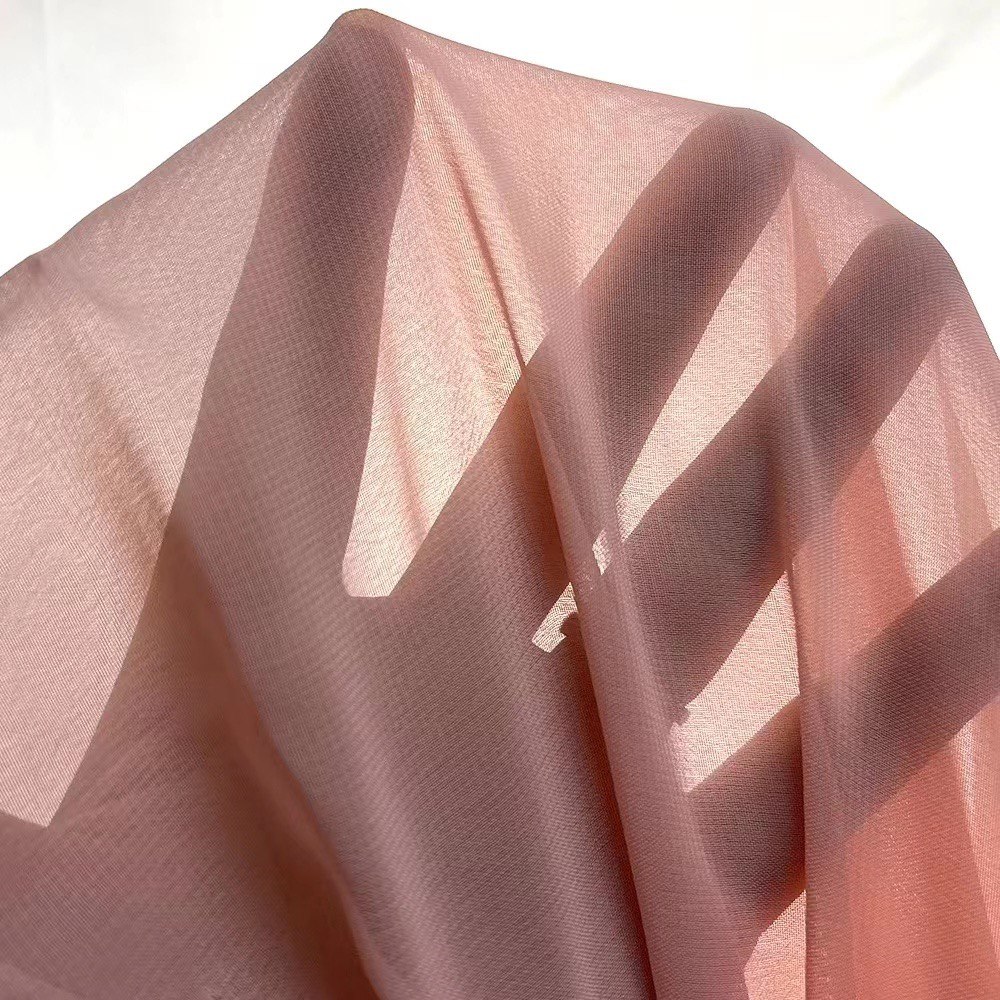
Chiffon is a weaving process that produces a lightweight, plain weave fabric with a slight shine.
What Are the Characteristics of Chiffon?
Chiffon is a gossamer or gauze-like fabric that is known for its sheer, floating, and shimmery nature, almost like tissue paper.
• Sheer. Chiffon-fabric has a sheer, transparent appearance, and when held under a magnifying glass, it looks like a fine net or mesh.
• Rough feel. There are slight puckers in chiffon due to the alternating s-twist and z-twist yarns.
• Stretch. Chiffon has a slight spandex-like feel as a result of being woven in different directions. Silk chiffon has slightly more stretch than polyester chiffon, as silk is naturally more pliable.
• Strong. Chiffon fabric, both silk and synthetic, is extremely strong as a result of the twists of the yarns and the tight weave of the fabric.
• Shimmery. Chiffon has a shimmery surface. Silk chiffon has the most shimmer, while cotton chiffon is more matte.

Cashmere.
Cashmere is a type of wool fabric that is made from cashmere goats and pashmina goats. Cashmere is a natural fiber known for its extremely soft feel and great insulation.

Crêpe
crepe, is a silk, wool, or synthetic fabric that has a distinctive wrinkled and bumpy appearance. It is usually a lightweight to medium-weight fabric, but ultimately, Crepe can be used to make clothes like dresses, suits, blouses, pants, and more. Crepe is also popular in home decor for items like curtains, window treatments, and pillows.

Jersey
Jersey is a soft stretchy, knit fabric that was originally made from wool. Today, jersey is also made from cotton, cotton blends, and synthetic fibers.
About the Characteristics of Jersey
• Stretchy. Due to its knitted structure, jersey-knit fabric is a stretch fabric, which makes it a great choice for items that require movement.
• Soft. Jersey is soft and smooth, providing comfort for the wearer.
• Opaque. Jersey fabric is opaque as a result of its knitted composition, which brings the fibers closer together with no way for light to pass through.
• Absorbent and breathable. Cotton jersey fabric is king here, as cotton is very absorbent and breathable fiber. Cotton jersey and cotton blends are ideal for clothing that gets daily use, like t-shirts.
• Well-structured. Most jersey fabrics have a nice drape, but it does depend on the fiber composition of the fabric.
Lace
Lace is a delicate fabric made from yarn or thread, characterised by open-weave designs and patterns created through a variety of different methods.
Leather
Leather is any fabric that is made from animal hides or skins. Different leathers result from different types of animals and different treatment techniques. While cowhide is the most popular type of animal skin used for leather, comprising about 75 percent of all leather produced, almost any animal can be made into leather, from crocodiles to pigs to stingrays. Leather is a durable, wrinkle-resistant fabric, and it can take on many different looks and feels based on the type of animal, grade, and treatment.
Linen
Linen is one of the oldest-known natural fibers, and is considered a high-end, elegant, and durable fabric. It is made from the flax plant.
Linen is
1. Absorbent. Linen holds water incredibly well, hence why it is a popular material for towels and sheets.
2. Breathable. The fabric is very light and allows air through it easily, making it an ideal fabric for clothing during the summer months.
3. Not elastic. Linen does not have much stretch, though it does hold its shape very well and will not change size over multiple wears and washes.
4. Soft. Linen is very soft and smooth, and it even becomes softer the more often it is washed.
5. Environmentally friendly. Linen is generally considered an eco-conscious fiber because it doesn’t take as much water and chemicals to produce as other fabrics.
6. Hypo-allergenic. Linen fabric is naturally hypoallergenic.
Modal.
Modal fabric is a semi-synthetic fabric made from beech tree pulp that is used primarily for clothing, such as underwear and pajamas, and household items, like bed sheets and towels. Modal is a form of rayon, another plant-based textile, though it is slightly more durable and flexible than rayon. Modal is often blended with other fibers like cotton and spandex for added strength.

Muslin
Muslin is a loosely woven cotton fabric. It’s made using the plain weave technique, which means that a single weft thread alternates over and under a single warp thread. Muslin is known as the material used in fashion prototypes to test patterns before cutting and stitching the final product.
There are four main grades of muslin:
1. Gauze. Gauze is an ultra-lightweight, sheer form of muslin used for clothes, as a filter in the kitchen, and to dress wounds.
2. Mull. Mull is a lightweight, plain muslin usually made from cotton and silk, but sometimes viscose as well. Mull is usually used for dress underlining, to help provide more weight and structure to a garment, or for pattern testing garments.
3. Swiss muslin. Swiss muslin is a sheer, lightweight form of muslin with raised patterns or dots that is used frequently for warm-weather clothes.
4. Sheeting. Sheeting is the thickest and coarsest form of muslin and is used in clothing and homewares.
Muslin differs from other cotton weaves used for items like shirts and dresses because it has a much looser, more open weave.
Organza.
Organza is a lightweight, sheer, plain-woven fabric that was originally made from silk. The material can also be made from synthetic fibers, primarily polyester and nylon. The quality of organza is defined as the number of holes per inch .more holes indicate better quality .Organza is extremely popular for wedding gowns and evening wear.

Types of Organza Fabric
1 .Crystal organza : Crystal organza is the most common and popular type of organza. It is soft, lightweight, and has a subtle sheen. It can be made from silk or synthetic fibers and it is used for bridal gowns, interior decorating, and more.
2. Mirror organza : Mirror organza is typically made from polyester and is the shiniest form of organza and it reflects light extremely well.
3. Satin organza. Satin organza boasts the shiny quality of satin still maintaining the crisp drape of organza.
4. Crushed organza : Crushed organza has been treated and crinkled to have an intentionally wrinkled appearance.
5. Shot organza : For shot organza, different colored silk threads are used as the warp and weft. Shot organza’s multi-colored finish creates a gradient of colors, like a sunset or the northern lights.
6. Embroidered organza. Embroidered organza elevates the standard fabric with the addition of embroidery. Rhinestones, sequins, and many different types of patterns can augment mirror and crystal organza for a decorative quality.
Polyester.
Polyester is a man-made synthetic fiber created from petrochemicals, like coal and petroleum. Polyester fabric is characterized by its durable nature; however it is not breathable and doesn’t absorb liquids, like sweat.

Satin.
Satin is one of the three major textile weaves, along plain weave and twill. The satin weave creates an elastic, shiny, soft fabric with a beautiful drape.Satin fabric is characterized by a soft, lustrous surface on one side, with a duller surface on the other side. This is a result of the satin weaving technique
Characteristics of Satin
• Shiny front : Satin weaves create a shiny, soft right side of the fabric and a dull back due to the organization of the warp and weft threads. Satin feels soft and very luxurious.
• Beautiful drape : Due to the concentration of fibers and the pliability of the fabric, satin weaves create a soft and easy drape that makes them ideal for evening wear and curtains.
• Durable : Since satin uses long filament fibers which are woven in a very taut fashion, the resulting material is stronger than many plain weave fabrics.
• Wrinkle-resistant : Satin doesn’t wrinkle as easily as other fabrics, and thicker satins are less prone to wrinkles.

Silk
is a natural fiber known for its luster, shine, strength, and durability.

Suede
Is made from the underside of the animal skin, giving it a soft surface. Suede is usually made from lambskin, but it is also made from other types of animals, including goats, pigs, calves, and deer.

Toile
is a textile fabric comparable to fine batiste with a cloth weave.

Twill.
Twill is one of the three major types of textile weaves, along with satin and plain weaves.

Velvet.
Velvet is a soft, luxurious fabric that is characterized by a dense pile of evenly cut fibers that have a smooth nap.it is popular for evening wear and dresses for special occasions, as the fabric was initially made from silk. Cotton, linen, wool, mohair, and synthetic fibers can also be used to make velvet

Viscose
Viscose is a semi-synthetic type of rayon fabric made from wood pulp that is used as a silk substitute, as it has a similar drape and smooth feel to the luxury material.
Viscose comes from trees, but it is not as environmentally sound as other types of rayon, such as modal, because the production process uses high concentrations of chemicals. Viscose is cheap to produce and is a versatile fabric used for clothing items such as blouses, dresses, and jackets, and around the home in carpets and upholstery.

Tweed
Tweed is a rough woven fabric usually made from wool. The fibers can be woven using a plain weave or twill weaves. Tweed is an extremely warm, hard-wearing fabric that is thick and stiff. Wool tweed is often woven using different colored threads to achieve dynamic patterns and colors.

Taffeta
Taffeta is a crisp, plain-woven fabric made most often from silk, but it can also be woven with polyester, nylon, acetate, or other synthetic.

Spandex
Spandex is a synthetic fiber characterized by its extreme elasticity.

Denim
is a type of woven twill fabric, usually made from cotton. It consists of two yarns that are woven together. The yarn that runs across known as the weft

Wool,
a naturally occurring fibre from sheep and other animals’ fleece, is highly valued for its excellent warmth and insulating qualities.

Rayon.
The semi-synthetic fibre rayon, sometimes known as “artificial silk,” is made from wood pulp.

hemp
is a variety of the plant Cannabis sativa. It is a versatile crop that can be processed into different products with multiple uses. It’s commonly used for industrial purposes, like sacks, ropes, and sails, as it’s tough and durable


